- Solutions
- The Company
- About usCartrack offers smart fleet solutions guaranteed to optimise your fleet and workforce, no matter how big or small your business.
- Investor RelationsCartrack has a history of strong cash flow generation and cash conversion, low financial leverage and strong dividends.
- CareersCareers portal. View all the current Cartrack career openings and opportunities available.
- Resources
- Contact Us
- Login
How to Improve and Maintain Your Fleet Compliance Every Year
Improving and maintaining your fleet year after year is a balancing act many fleets struggle to get right. But with the help of technological advances, several fleet-run companies in the Philippines are seeing real fleet safety management results that are impacting the way their businesses operate!
Fleet safety compliance is a compounding principle that comes with the challenge of improving AND maintaining. These are two strategies that each require a very different approach, because focusing on an improvement may result in the neglect of an existing protocol that was previously implemented.
Keeping both in focus is where Cartrack has several tips you can follow for solid consistency in your safety compliance goals.
Key takeaways
-
Tracking your drivers with smart monitoring tools gives you the real-time knowledge you need to hold them active and accountable.
-
You can easily lower your insurance risk profile by digitising your fleet operations to create a reliable arsenal of safety evidence.
-
Staying on top of strict new government ESG rules is simple when you automate your processes to eliminate human error.
-
Using fleet software boosts your success by giving you the total visibility required to maintain vehicle compliance and master route safety.
What compliance improvements can be made by fleet & logistics operators?
There are four main areas of improvement that fleet operators are fully in control of when it comes to fleet safety management. These include how your drivers are managed, complying to regulatory bodies, how your risk profile is managed, and what small operational strategies you implement.
As we dive into these four safety compliance aspects, make notes about your own fleet and how you’re approaching these important elements.
Focusing on your drivers
Regulatory bodies are already focusing heavily on your drivers. This means you should be doing the same! Investing in a vehicle monitoring system in the Philippines is one way to ensure company compliance as a whole.
Why? Because without this you’ll be managing one of the most impactful parts of your fleet blindly. You can’t manage without knowledge of what your drivers are doing. You also can’t hold them accountable according to the well-intentioned rules you’ve put in place and trained them on.
But more on that later.
Complying with regulatory bodies within the Philippines
Your company’s fleet compliance is constantly being monitored by departments within the Philippines government. Two commercial fleet regulatory bodies are worth mentioning here:
Land Transportation Office (LTO)
What do they do?
The LTO is a government-run agency that carries out inspections of vehicles and the drivers who operate them. They also ensure that road rules are followed and have the authority to apprehend anyone who doesn’t follow them.
How can you comply with their commercial fleet regulations?
Make sure your drivers are following the rules set out by the LTO, and coach your drivers on how to do proper vehicle inspections. As a fleet manager, you can & will be held responsible for drivers that don’t comply.
Vehicles must be registered, and the licenses of your drivers must be up to date with the vehicles they’re operating. Finally, ensure that trucks and vans are loaded according to the LTO’s safety guidelines.
Land Transportation Franchising and Regulatory Board (LTFRB)
What do they do?
The LTFRB places large emphasis on modernising fleets across the Philippines. This includes regulating your vehicles and the safety technology that goes with them. They’re especially involved in fleets that transport external goods from one point to another, but you still need to register your vehicles as private if you transport your own goods.
How can you comply with their commercial fleet regulations?
Complying with the LTFRB depends on the nature of your business.
If you run a public utility fleet, you can & should comply with the PUV Modernisation Program (PUVMP).
If you run a fleet that transports your own company goods from one place to another, you can register your vehicles as ‘private’.
However, if you run a logistics fleet that transports external goods and delivers them to a third party, you will need to apply for a permit from the LTFRB to do so.
They will advise you on modernisation strategies and safety requirements in each case.
Keeping your legal and insurance requirements intact
Every company that approaches an insurance broker for cover has a set risk profile. This risk profile determines what premiums you’ll be charged month-to-month. This begs the question, “What can I do to lower my risk profile and pay lower premiums?”
Insurance companies look at multiple factors:
-
Your drivers and their history of behaviour on the road
-
The condition and maintenance history of your vehicles
-
The vehicle safety technology you currently have
-
Your incident & claims history in terms of accidents, theft, cargo, etc.
What can you do to lower your risk profile over time?
-
Start by monitoring your drivers (as mentioned earlier) using a vehicle monitoring system in the Philippines that includes cameras, sensors and alert systems. This will make the biggest difference in your risk profile, but only if you can prove that you’re using that technology to correct bad behaviour and train your drivers.
-
How you prove this is by keeping accurate records, which brings us to your next important step: digitise your operations. When the administration you do in your fleet is digitally recorded and archived, you have an arsenal of evidence to show your insurance how seriously you take safety.
-
Third, put a predictive AI maintenance plan in place for your vehicles. This ensures your vehicles are always roadworthy and compliant with inspection requirements.
-
Last but not least, make sure your vehicles are being tracked and that you have a stolen vehicle recovery service backing you up if any vehicle theft happens to take place.
When you put these safety measures in place for insurance purposes, you get a double benefit: LEGAL SAFEGUARDING! The same digital records you gather to prove your safety management can help you to prove your due diligence if legal matters arise.
Having your ‘Governance’ in place
2026 saw a big shift in the Philippines government’s perspective on ESG (Environment, Social and Governance). Up until recently, ESG was a recommendation. Today, it’s practically mandatory!
The ‘G” in ESG has a lot to do with your fleet processes. If your company relies on road logistics to turn a profit, you as a logistics operator MUST adapt your processes to one that eliminates human error as much as possible.
AI and fleet technology digitise your business operations to ensure accurate reporting on safety and compliance matters. Accurate management records are now required. This is something you can no longer ignore.
How can fleets in the Philippines adhere to auditing requirements?
Digitisation isn’t just about your operations. It’s also about your finances. Fleets in the Philippines benefit greatly when their financial records are automated, digitally archived, and compiled into government-appropriate reports. Adhering to auditing and tax requirements just got so much easier thanks to fleet finance management technology.
What does fleet finance management software keep track of?
-
Vehicle expenses
-
Fuel costs
-
Salaries and overtime
-
Insurance
-
Fleet miscellaneous costs
If you’re still keeping track of these expenses manually, it’s time to upgrade to a more efficient system that not only prepares you for audits, but also keeps your financial compliance up to date.
What’s the connection between vehicle maintenance and safety compliance?
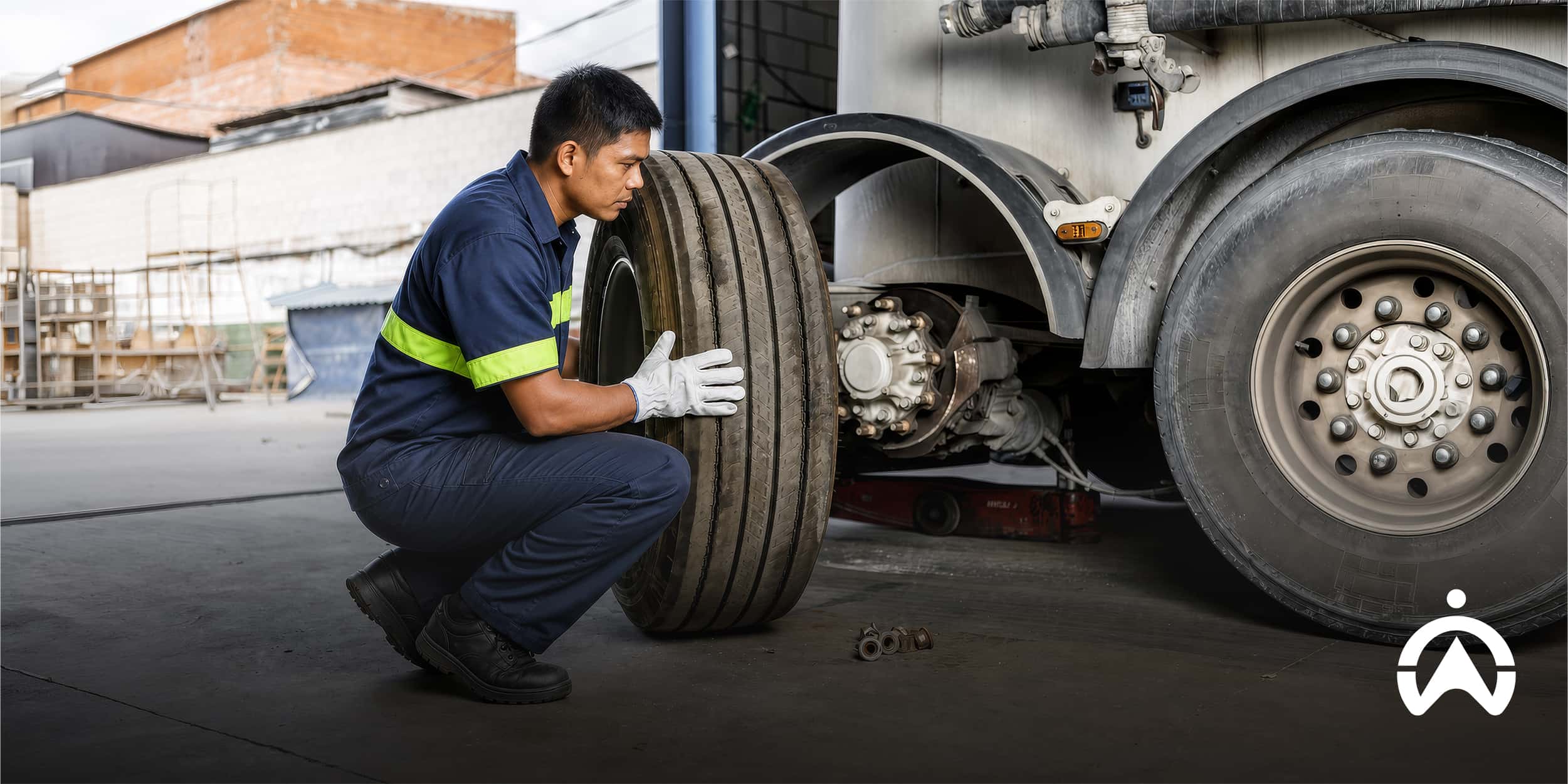
While we already touched on the importance of vehicle maintenance, it’s helpful to understand the role this plays within fleet compliance in the Philippines. It’s simple: if your vehicles are well maintained (and you can prove your commitment in managing this), your compliance will be solid!
We’ve compiled 4 questions to ask yourself right now that will help you evaluate your maintenance strategy.
-
Am I paying for mechanical services I don’t need? All fleets understand the importance of maintenance, but most are spending way too much money on servicing schedules based on time rather than real-time diagnostics. Fleet compliance doesn’t have to cost you an exorbitant amount of money.
-
Are my vehicles consistently in top condition? Total vehicle compliance relies on vehicles that could pass any roadworthiness inspection with flying colours. It’s easy for one truck or delivery van to slip through the cracks in a fleet of 20 or more vehicles.
-
Am I getting a good ROI from each vehicle? Finding a good vehicle for a good price is hard enough. Keeping that vehicle on the road for as long as possible is even tougher. Based on what you paid for the vehicle and the costs of maintaining it, how much profit have you actually made?
-
Am I wasting too much time keeping track of maintenance scheduling? Duties that pertain to maintenance can take up a fair amount of your day as a logistics operator. Automating this process can be a game changer in your productivity.
Our suggestion: Use fleet maintenance software to ONLY book your vehicles in for a service when they actually need it and ensure total vehicle compliance and vehicle longevity. Free up your time and focus on the big-picture details that come with fleet management.
How do drivers affect your safety compliance records?
When nobody’s watching, your drivers are quietly influencing two things: how your brand is perceived by the public and how your vehicles are being handled. As you read this, it could be happening right now. Not only do insurance companies take your drivers’ behaviours into account, but your fuel, maintenance and cargo are all affected.
Here’s a question: What are the responsibilities of your drivers? And a follow-up question: How are you holding them actively accountable for these responsibilities?
Driver responsibilities
Fleet compliance in the Philippines depends on your drivers understanding their responsibilities. Have you made the following things clear to them?
-
Speeding puts them and other drivers in danger
-
Bad driving affects your company brand
-
Idling is an unnecessary cost that burns up more fuel
-
Loads must be fastened safely and according to LTO regulations
Driver accountability
Even if your drivers are aware of their responsibilities, how are you holding them to account? Once again, technology steps up to the plate and helps you monitor compliance with the rules of your company—and the authorities.
What’s the process for digitising logistics for future compliance?
As we said right in the beginning, compliance is compounding. In other words, what you do today will have an effect on the future of your fleet. We’ve seen enough reasons to go digital for the sake of accuracy, accountability and active compliance. We’ve also seen how this affects your reputation in the long run.
Now let’s look at the process you can follow to keep your safety momentum going strong!
Monitor your drivers
Step 1 is to monitor your drivers and hold them accountable for the way they represent your company when you’re not watching. Thanks to vehicle camera technology this has never been easier. Road-facing and in-cabin cameras that detect dangerous behaviour will alert you and your drivers to what needs to change—in real time.
Safety compliance in the Philippines means complying as a WHOLE COMPANY, and this includes your drivers in a big way!
Manage your routes
Drivers tend to prefer certain routes, and these aren’t always optimal. Use fleet management software to guide your drivers on routes that avoid traffic congestion, damaged roads and road blocks.
Compliance slowly becomes easier when the most efficient routes are being utilised.
Track your vehicles
Your trucks and delivery vans are the lifeblood of your company. Tracking them just makes sense. When you’re questioned about compliance, you can seamlessly provide answers based on the fact that you always have a record of where your vehicles were, what they were doing, and how you did everything in your power to keep them safe.
Tracking your fleet is more than just having them recovered if they get stolen; it’s about holistic fleet safety management and corporate accountability.
Prioritise safety communication
When your vehicles are out on the road, there’s an obvious distance between you as the logistics operator and each of your drivers. Telematics solutions in the Philippines bridges that gap by providing communication channels like voice alerts, driving data, and location info.
Perceive your fleet as a network where communication is quick and effortless, and keep your operations flowing seamlessly.
What role does fleet management software play in your compliance goals?
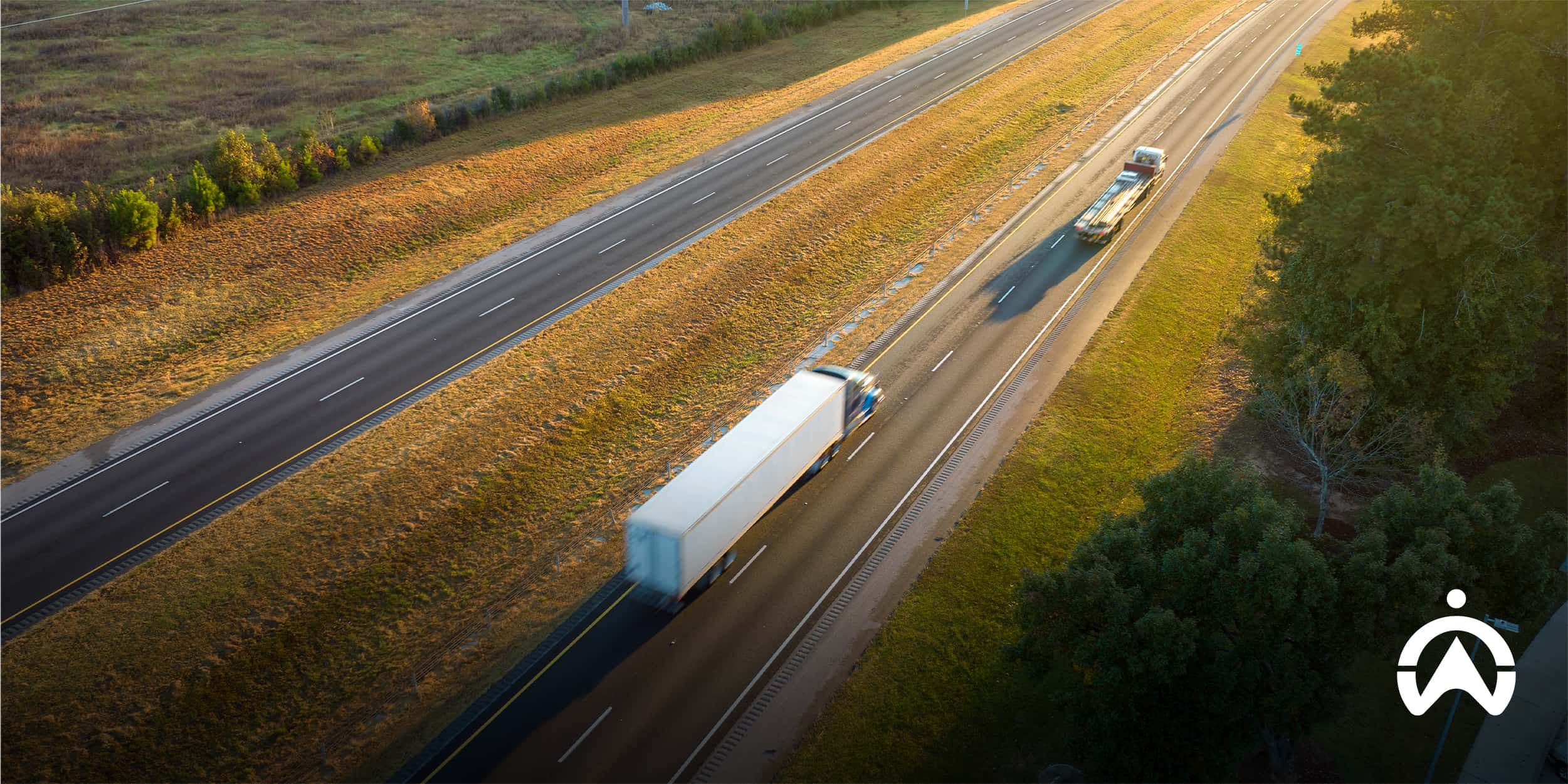
Tying all this together is simpler than you think. Fleet management software is the solution fleets in the Philippines have been waiting for to achieve all of their safety compliance goals.
Not only will you IMPROVE your compliance, you’ll also MAINTAIN the processes you’ve already put in place.
The key word here is VISIBILITY. And visibility results in better decision-making, accurate reporting to your stakeholders, and ultimate fleet success.
While only a relatively small percentage of fleets have embraced the fleet technology we’ve discussed here, it’s those fleets that are seeing a compounding improvement in their safety stats.
The result?
-
A lower risk profile
-
Better staff retention
-
Higher profits
-
Improved staff morale
-
Happier customers
Speak to Cartrack about how you can get the same results for your fleet. REMEMBER: Safety compliance isn’t just about following rules; it’s about best fleet practices that trickle down to your entire company to boost your success!
Frequently asked questions about improving fleet safety compliance
What will happen to fleets in the Philippines that don’t focus on safety compliance?
Fleets in the Philippines that neglect safety compliance open themselves up to a number of drawbacks:
-
Incurring of fines from regulatory bodies
-
A bad reputation with customers and a reputation of being unreliable
-
Lower productivity due to constant corporate policing
-
Revoking of your franchise licence
-
Lower driver retention
What is the Anti-Distracted Driving Act (RA 10913)?
The Anti-Distracted Driving Act is a strict rule that’s banned drivers (both commercial and private) from using their mobile devices while operating a vehicle. This includes watching videos, texting, talking on the phone, and playing games. The only exception to this law is using your mobile device for an emergency.
How can fleets in the Philippines manage cross-border logistics safety?
To manage your cross-border logistics as safely as possible, and remain compliant with international road laws, use fleet management technology that accommodates multiple countries and their respective laws. Companies like Cartrack help you to comply with logistics laws in the Philippines, Singapore, Malaysia, Thailand, and Indonesia.



 Select Countries